By Tom Lewis
July 28, 2026
Maintaining a roof is crucial for the safety and aesthetics of any home. However, when issues arise, homeowners face the critical decision of whether to repair or replace the roof. This article will guide you through assessing your roof's condition, understanding repair versus replacement costs, and learning about long-term impacts, ultimately helping you make an informed decision. When roofing problems arise, consulting local roofing contractors can provide valuable insight into whether a repair will be enough or if replacing the roof is the better long-term solution. Their experience with local weather conditions and roofing materials can help homeowners make confident decisions.
Assessing Your Roof's Current Condition
Conducting a thorough visual inspection of your roof is the first step in determining its current condition. Look for obvious signs of damage such as missing shingles, cracks, or sagging areas that may have developed. Weather conditions can often cause wear and tear on your roof, leading to visible deterioration. Small cracks might not seem consequential at first, but they can lead to significant problems over time if left unaddressed. Regular inspections, ideally after severe weather, can help identify issues before they become emergencies.
Another critical aspect of visual inspections is checking for mold or algae growth on the roof surface. These organisms can compromise the integrity of roofing materials and reduce their lifespan if not treated promptly. Inspect the gutters and downspouts as well, as accumulated debris can hinder water flow and cause water retention. Roofing issues are often interconnected; spotting and addressing them early can save time and money in the long run. Homeowners should develop a routine checklist to ensure they don't overlook any critical signs during inspections.
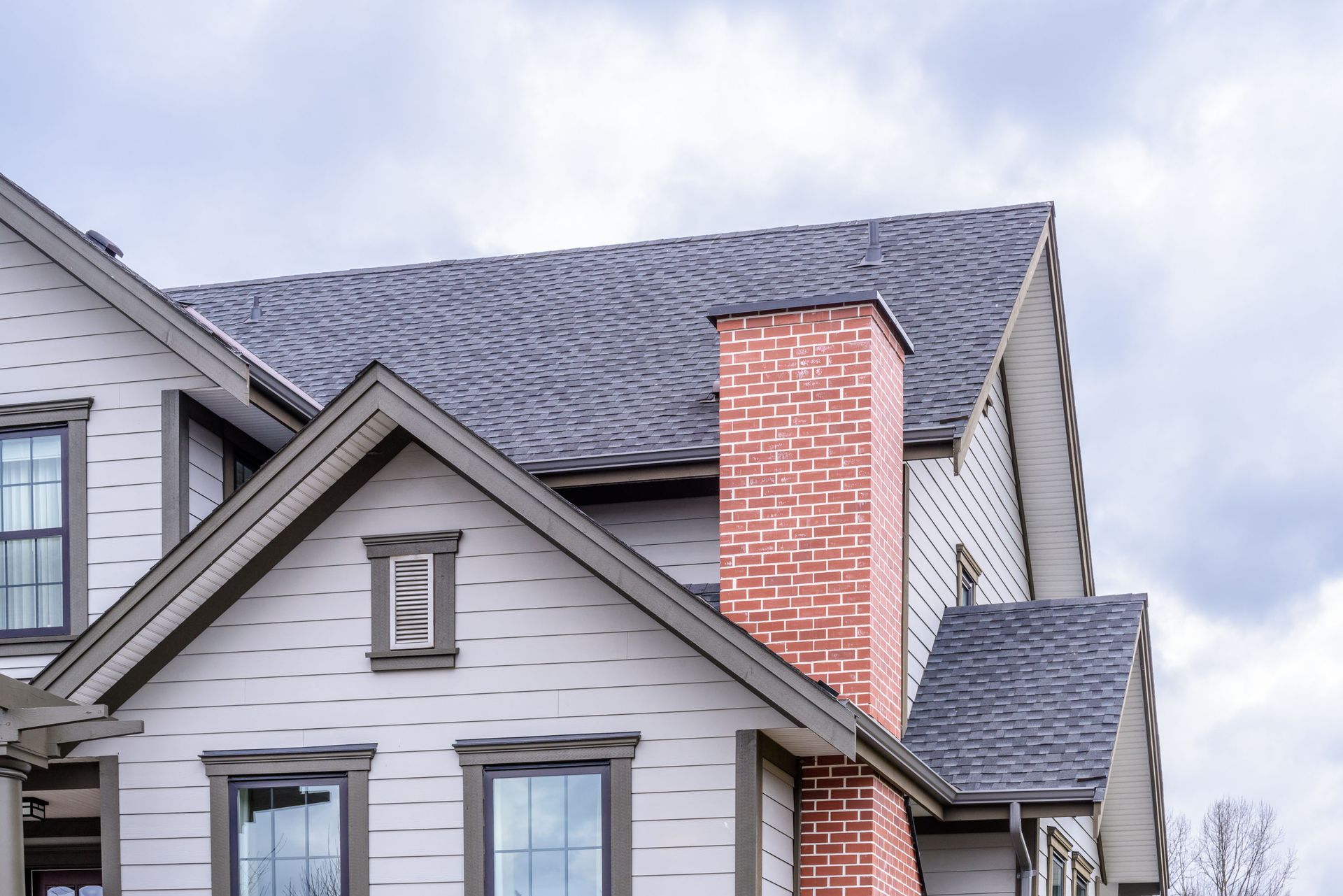
Using binoculars or a drone can assist with examining hard-to-reach areas without the need for climbing. Ensure you assess flashing around chimneys and vents, as these are common sites for leaks. While conducting a visual assessment doesn't require professional expertise, having a roofer evaluate your findings can offer reassurance. Temporary fixes might include sealing minor cracks, but professional intervention is recommended for more severe issues. Local roofing contractors have the training and equipment to identify hidden issues that may not be visible from the ground. A professional assessment can prevent minor concerns from developing into more costly damage. By maintaining this routine, homeowners can increase the lifespan of their roof and identify whether a repair or replacement is warranted.
The age of a roof plays a pivotal role in deciding whether to repair or replace it. Most roofing materials have a defined lifespan; for example, asphalt shingles typically last 20-30 years, according to This Old House. As roofs age, their structural integrity naturally diminishes, making them more susceptible to damage. Consequently, older roofs might require frequent minor repairs, which can accumulate costs over time. It's prudent for homeowners to keep track of their roof's age to anticipate when a replacement may become necessary.
Aging roofs not only exhibit physical wear but also present higher risks of leaks and energy inefficiency. Even if an older roof appears intact, the underlayment and other non-visible components might have weakened. Frequent inspections become more crucial with age because minor issues can rapidly develop into major problems. Older roofs might also not adhere to modern building codes or energy efficiency standards, impacting both safety and utility bills. Evaluating the age and performance of the roof can determine whether a proactive replacement is more cost-effective.
In the case of recurring issues with an older roof, replacing it can be more beneficial than continuing with repairs. A new roof offers not just peace of mind but also improved aesthetics and energy savings. Replacement also provides an opportunity to upgrade to more durable and eco-friendly materials, some of which might be incentivized through local government programs. The age factor is a critical consideration in the repair-vs-replace dilemma, with older roofs leaning more towards the necessity of replacement. Understanding this aspect helps in planning and budgeting for future roofing needs.
Leak detection is another essential component of assessing your roof's current state. Water damage, if left unchecked, can cause extensive harm to both the structure and interior of a home. Indoors, water stains, unusual odors, or peeling paint can signal potential leaks emanating from the roof. Externally, watch for damp spots, warped shingles, or rotted underlayment. Addressing leaks promptly is vital for preventing costly repairs down the line.
Factors Influencing Repair Needs
The type and extent of damage significantly influence whether a roof should be repaired or replaced. Minor damages, such as a few missing shingles, might simply require repairs if the rest of the roof is in good shape. However, severe damages, like widespread granule loss, drastic sagging, or frequent leaks, often suggest a need for replacement. Categorizing damages accurately allows better financial and maintenance planning. Homeowners need to evaluate whether existing materials will suffice or if a full overhaul is justified.
Small-scale repair needs typically include re-securing loose shingles, sealing minor leaks, or replacing isolated damaged areas. These repairs, while seemingly minor, can prevent broader issues when implemented in time. On the other hand, larger-scale damages that affect significant areas of the roof usually call for replacement. The type of damage is further compounded by factors like material lifespan and previous repairs. Each roofing scenario is unique, requiring tailored solutions based on observed damage type and extent.
The goal of any repair or replacement decision revolves around ensuring the roof's overall efficacy and longevity. Roofing professionals recommend weighing the total costs of repeated repairs versus opting for a one-time replacement. For instance, significant structural or decking damages that impact the roof's foundation typically warrant complete replacement. A strategic approach involves understanding the root causes of the damages to preempt recurring issues. Documenting damage types and extent over time is beneficial for planning future roofing interventions. If you're unsure whether ongoing repairs are still worthwhile, local roofing contractors can evaluate the condition of your roof and provide recommendations based on its structural integrity, remaining lifespan, and overall value. Their guidance can help you avoid unnecessary expenses.
Understanding the lifespan of roofing materials is integral to making informed decisions on repair or replacement. Different materials exhibit varying durability, impacting both performance and maintenance needs over time. Asphalt shingles, predominantly used by 47 % of homeowners, according to the 2026 This Old House Roofing Survey, typically last around 20 years. Evaluating your roof's material lifespan can thus offer clarity on cost-effective maintenance planning.
Knowing your roof's materials and their longevity can assist in anticipating future needs and budgeting accordingly. While asphalt shingles might prove cost-effective initially, their shorter lifespan may necessitate frequent repairs. More durable materials like metal or slate might involve a higher initial cost but reduce long-term maintenance concerns. Assessing the lifespan aids in decisions between short-term repairs versus investing in more enduring replacements. Homeowners should weigh convenience against upfront expenses when considering material lifespan implications.
Weather conditions play a crucial role in evaluating whether repairs or replacements are necessary for a roof. Areas prone to extreme weather, such as heavy rain, snow, or high winds, demand more resilient roofing solutions. These elements escalate wear and tear, reducing the lifespan of roofing materials. Severe weather might also cause immediate damage that necessitates either urgent repair or replacement. Recognizing weather patterns enables homeowners to select suitable materials and maintenance plans.
Climatic variations impact roofing materials differently, influencing degradation rates. In regions with fluctuating temperatures, roofs may experience expansion and contraction cycles, leading to material fatigue. Similarly, heavy snowfall might cause structural strain, prompting considerations for reinforcements or replacements. Homeowners should consider both seasonal patterns and sudden weather extremities when assessing roof performance. Proactively addressing weather-induced damages can stave off severe deterioration and associated costs.
Deciding whether to repair or replace your roof depends on its age, overall condition, the extent of the damage, and your long-term goals for your home. While timely repairs can extend the life of a roof with minor issues, a full replacement may be the more practical investment when damage is widespread or the roof is nearing the end of its lifespan. Working with local roofing contractors can help you evaluate your options and choose the solution that provides lasting protection, improved energy efficiency, and greater peace of mind for years to come. For
local roofing contractors you can rely on, contact Preferred Restoration & Remodeling Inc today.